The Environmental Impact of Efoiling: A Sustainable Choice?


Understanding Efoiling
Efoiling is a relatively new water sport that combines the thrill of surfing with advanced electric technology. It involves riding a board equipped with a hydrofoil and an electric motor, allowing enthusiasts to glide smoothly above the water. As interest in efoiling grows, so does the conversation about its environmental impact and sustainability.

The Environmental Benefits of Efoiling
One of the main advantages of efoiling is its reduced environmental footprint compared to traditional water sports. Unlike motorboats and jet skis, efoils are powered by electric motors, which means they produce zero emissions during operation. This makes efoiling a cleaner alternative for those who enjoy exploring waterways without contributing to air and water pollution.
Additionally, efoils are generally quieter than other motorized watercraft. This reduced noise pollution benefits marine life, as many aquatic animals rely on sound for navigation and communication. By minimizing disturbances, efoiling supports a more harmonious coexistence with nature.
Battery Technology and Environmental Impact
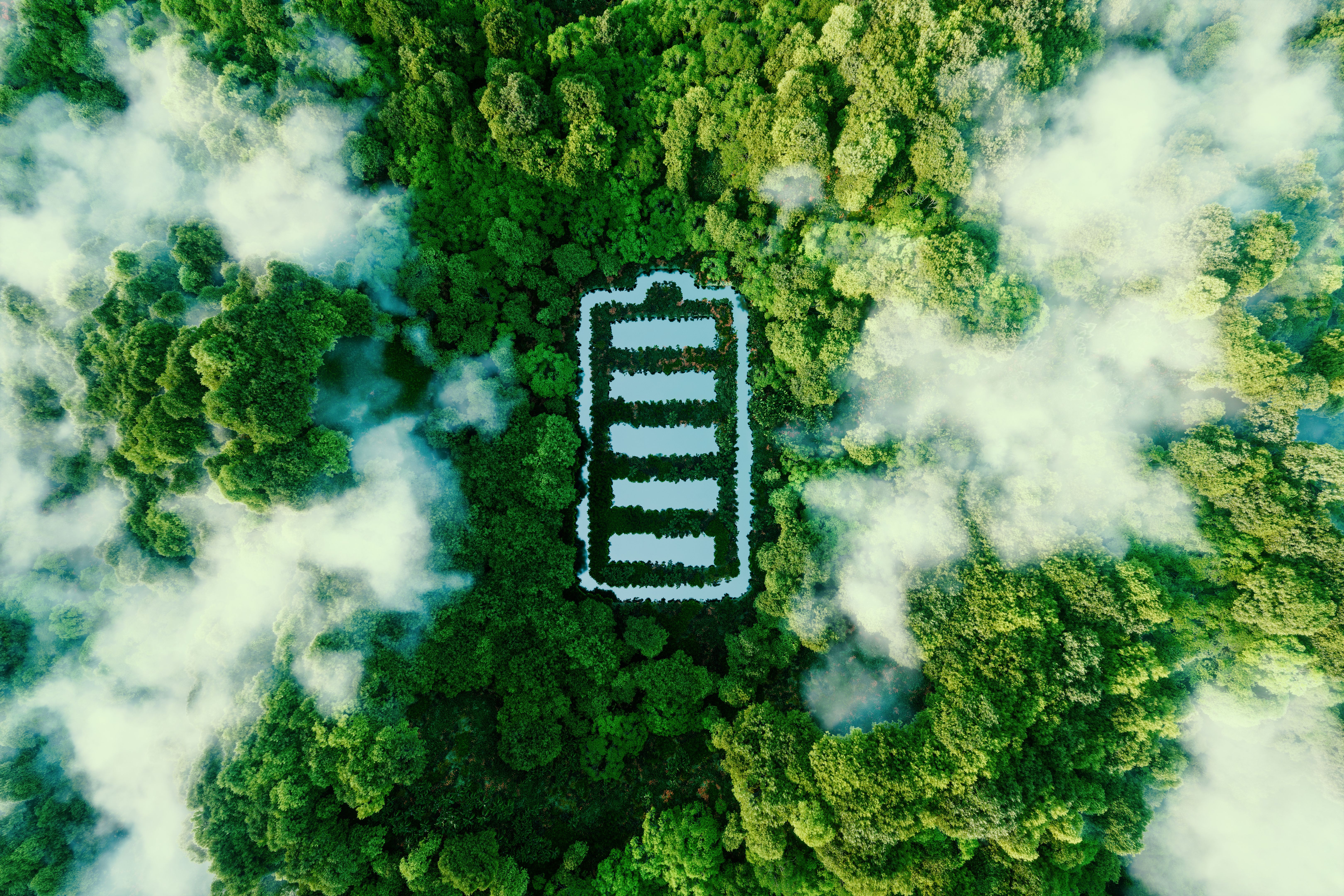
Efoils rely on lithium-ion batteries to power their electric motors. While these batteries are more environmentally friendly than fossil fuels, they still present challenges. The production and disposal of lithium-ion batteries involve resource extraction and waste management issues. However, advancements in battery recycling and sustainable sourcing are helping to mitigate these concerns.
Comparing Efoiling to Traditional Water Sports
When comparing efoiling to traditional water sports, it's important to consider the entire lifecycle of the equipment. Efoils typically require less maintenance and have a longer lifespan due to fewer mechanical parts. This durability translates into less frequent replacements and reduced waste.
Traditional water sports equipment, such as surfboards and kayaks, often rely on materials like fiberglass and plastic, which have significant environmental impacts. Efoils, on the other hand, are increasingly being made with sustainable materials, further enhancing their eco-friendly credentials.
Encouraging Sustainable Practices
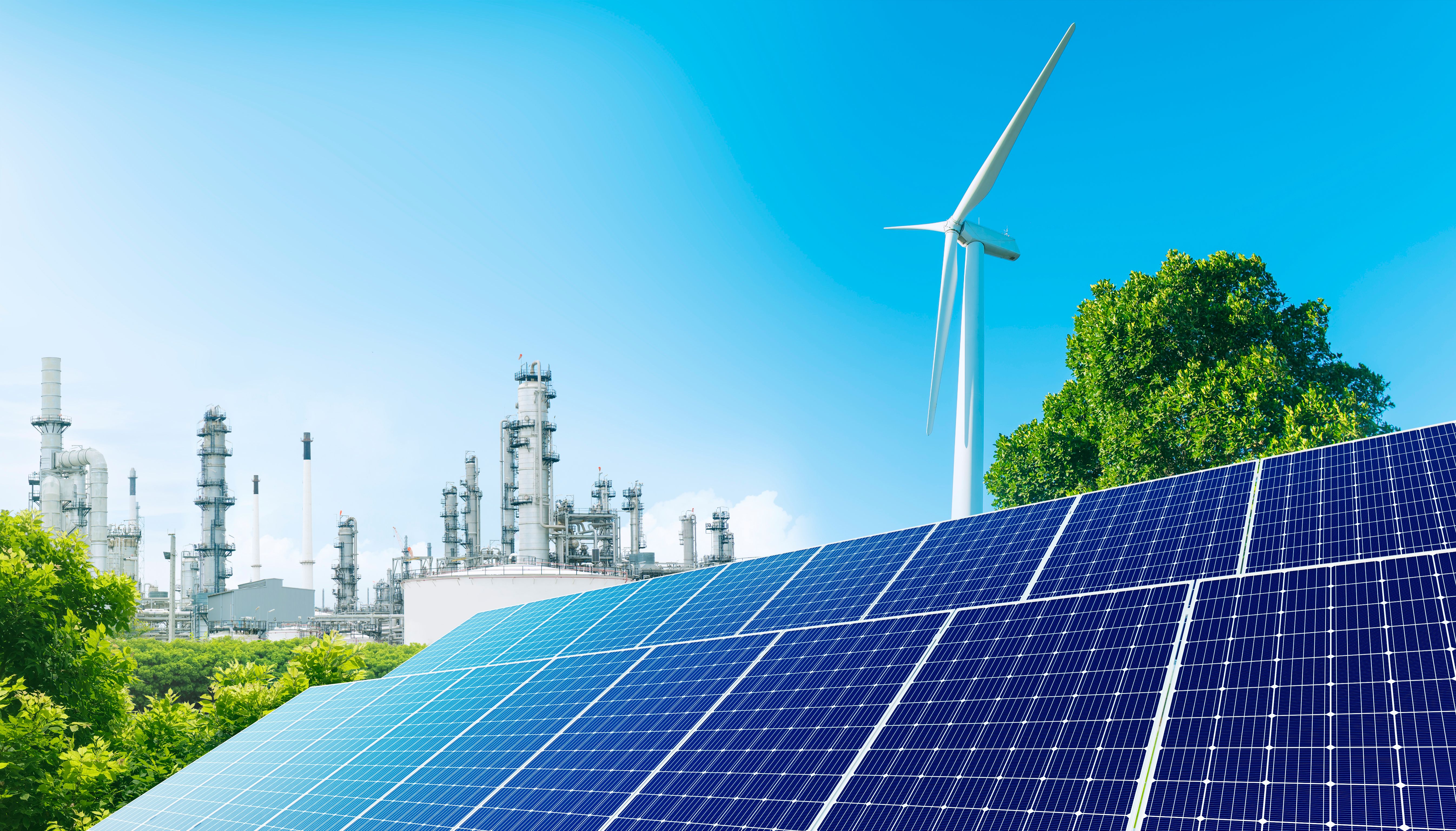
As with any activity, the environmental impact of efoiling can be minimized by adopting sustainable practices. This includes using solar or wind energy to charge efoil batteries, responsibly disposing of old batteries, and supporting manufacturers that prioritize sustainable production methods.
The Future of Efoiling
Looking ahead, the future of efoiling seems promising as technology continues to evolve. Innovations in battery efficiency and sustainable materials are likely to enhance the environmental benefits of efoiling even further. Additionally, as awareness grows, the efoiling community can play a crucial role in advocating for eco-friendly practices both on and off the water.
In conclusion, efoiling presents a unique opportunity to enjoy water sports with a reduced environmental impact. By understanding its benefits and challenges, enthusiasts and manufacturers can work together to make efoiling a truly sustainable choice for future generations.