The Environmental Impact of Efoiling: A Sustainable Approach to Water Sports


The Rise of Efoiling
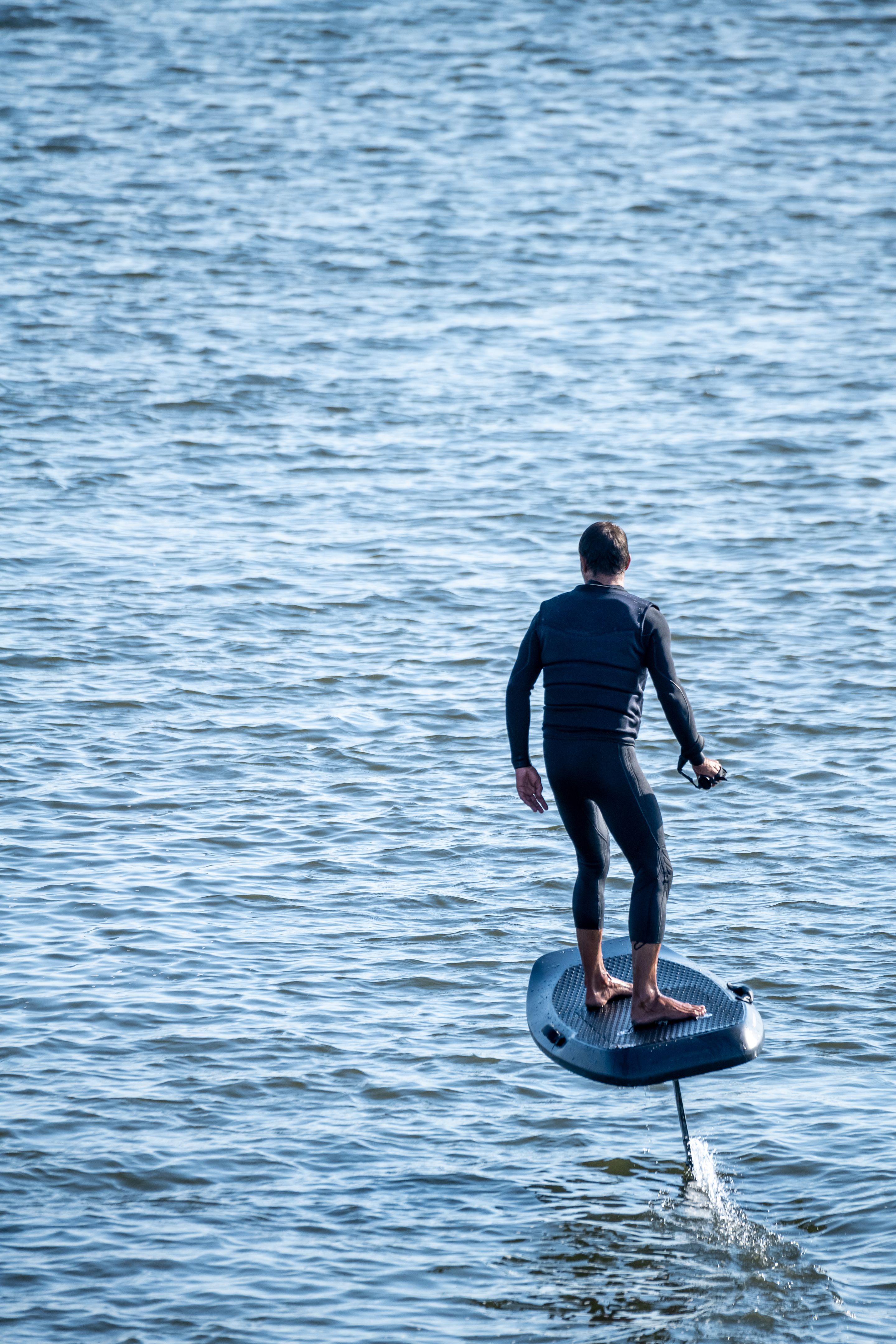
Efoiling, or electric hydrofoiling, is quickly gaining popularity among water sports enthusiasts. This innovative activity combines the excitement of surfing with the technological advancements of electric motors. Unlike traditional water sports that rely on wind or waves, efoiling offers a unique experience by allowing riders to glide above the water using a battery-powered board.
The sport's appeal lies not only in its thrill but also in its potential for sustainability. As the world moves towards greener alternatives, efoiling presents an attractive option for environmentally conscious adventurers.
Understanding the Environmental Impact
One of the main advantages of efoiling is its minimal environmental impact compared to conventional water sports. Traditional motorized water sports often contribute to water pollution due to fuel emissions and oil leaks. In contrast, efoiling uses electric propulsion, eliminating these harmful pollutants.
Additionally, efoils operate quietly, reducing noise pollution that can disturb marine life. This is particularly important in sensitive ecosystems where aquatic animals rely on sound for communication and navigation.
Energy Efficiency and Battery Use
Efoils are designed to be energy-efficient, allowing for extended use on a single charge. The batteries used in efoils are typically lithium-ion, known for their long lifespan and recyclability. However, it is crucial to manage battery disposal properly to prevent environmental harm.
To ensure sustainability, manufacturers are continually improving battery technology, focusing on reducing waste and enhancing energy efficiency. Riders can also contribute by opting for eco-friendly charging options, such as solar-powered charging stations.
The Benefits of Efoiling for Water Conservation
Unlike traditional water sports that may require large amounts of water for operation, efoiling can be enjoyed in various water conditions, including calm lakes and rivers. This versatility helps reduce the strain on coastal areas often impacted by tourism and recreational activities.

Promoting Eco-Friendly Tourism
As efoiling becomes more popular, it has the potential to promote eco-friendly tourism. Destinations can capitalize on this trend by offering efoiling experiences that emphasize sustainability and respect for natural habitats. This can lead to increased environmental awareness among tourists and support local conservation efforts.
Moreover, companies offering efoiling services can set a positive example by implementing sustainable practices, such as using biodegradable materials and supporting marine conservation initiatives.
Conclusion
The environmental impact of efoiling is significantly lower than many traditional water sports, making it an appealing choice for eco-conscious enthusiasts. As technology continues to advance, efoiling offers a promising path towards sustainable water recreation.
By embracing efoiling, we can enjoy the thrill of gliding across the water while minimizing our ecological footprint, contributing to a healthier planet for future generations.