How Weather Conditions Affect Your Efoiling Experience in Denmark


Understanding Efoiling in Denmark
Efoiling is an exhilarating watersport that combines technology and surfing, offering a unique way to glide above water. In Denmark, with its extensive coastline and rich maritime culture, efoiling has become increasingly popular. However, the experience can be significantly influenced by weather conditions. Understanding these factors is crucial for both safety and enjoyment.
Denmark's weather is known for its variability, often characterized by sudden changes. For efoil enthusiasts, this means that planning your session requires a keen awareness of the forecast and an understanding of how different weather conditions can impact your ride.
The Role of Wind in Efoiling
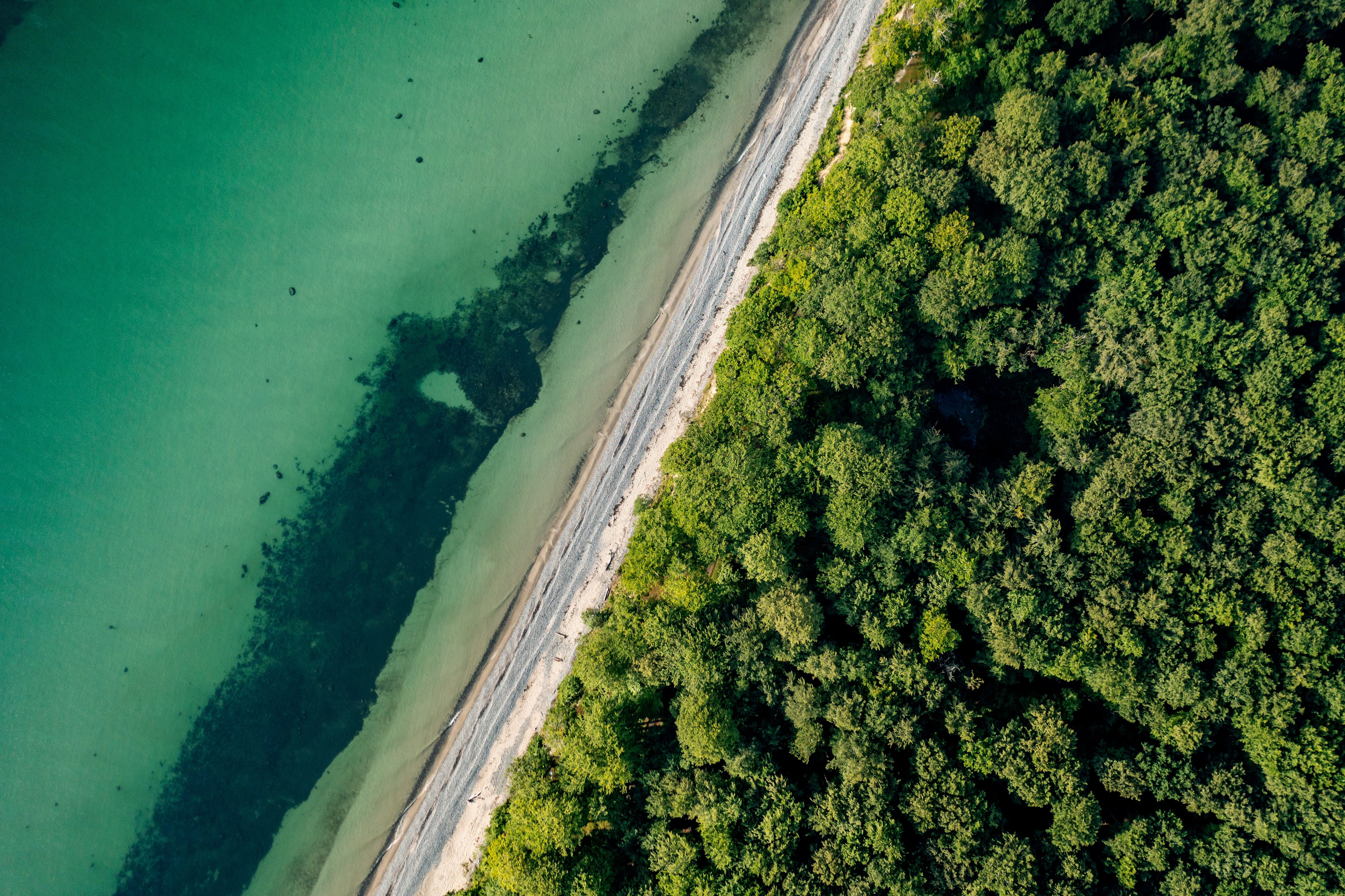
Wind plays a significant role in efoiling, as it directly affects the water's surface and wave conditions. For beginners, calm winds offer the best conditions for learning and practicing balance. However, more experienced riders might enjoy the challenge of moderate winds, which can add an exciting element to the experience.
In Denmark, wind speeds can vary considerably depending on the time of year and location. Coastal areas are typically windier, which can lead to choppier waters. It is advisable to check wind speeds and directions before heading out to ensure a safe and enjoyable session.
Impact of Temperature on Performance
Temperature is another crucial factor that affects efoiling in Denmark. The country experiences distinct seasons, each bringing different temperature ranges. Generally, warmer temperatures are more comfortable for efoiling as they allow for thinner wetsuits or even no wetsuit at all during the summer months.
In contrast, colder temperatures require more preparation. Wearing a thicker wetsuit is essential to maintain body warmth and prevent hypothermia. It is also important to be aware of how cold temperatures can impact your equipment, such as battery performance in efoil boards.
The Significance of Tides and Currents
Tides and currents also have a substantial impact on efoiling conditions. In Denmark, tidal changes can create varying water depths and flow rates. Understanding how to read tide charts and current forecasts is essential for planning a successful session.
Strong currents can pose challenges, especially for those less experienced. It is recommended to start in areas with minimal current if you are new to the sport. More seasoned efoilers might seek out stronger currents for an extra thrill.

Weather Forecasting Tools
Utilizing weather forecasting tools can greatly enhance your efoiling experience by helping you choose the best times and locations. Various apps and websites provide detailed information about wind speeds, wave heights, temperatures, and more.
These tools can help you make informed decisions about when to venture out. Regularly checking forecasts before your session can prevent unexpected surprises and ensure a safe outing on the water.
Safety Tips for Efoiling in Variable Weather
Safety should always be a top priority when efoiling in Denmark's unpredictable weather conditions. Here are some tips to consider:
- Always wear a life jacket: Regardless of your skill level, a life jacket is essential for safety.
- Inform someone of your plans: Let a friend or family member know where you’ll be efoiling and when you expect to return.
- Stay within your limits: Avoid venturing out in conditions that are beyond your experience level.
By taking these precautions and understanding how weather conditions affect your efoiling experience, you can enjoy this exciting sport safely and to its fullest potential.