Efoiling vs. Traditional Surfing: Which is Right for You?


Introduction to Efoiling and Traditional Surfing
Surfing has long been a beloved pastime for ocean enthusiasts, providing the thrill of riding waves and connecting with nature. However, the advent of efoiling has introduced a modern twist to this classic sport. Efoiling, or electric hydrofoiling, offers a unique experience, combining surfing with cutting-edge technology. But how does it compare to traditional surfing, and which might be the right fit for you?

The Basics of Traditional Surfing
Traditional surfing involves riding waves on a surfboard, relying on the surfer's skill, balance, and wave conditions. Surfers paddle out to the lineup, wait for the perfect wave, and then catch it using their own power and technique. This sport is deeply rooted in coastal cultures and offers a profound connection to the ocean.
Skills Required
Surfing demands physical strength, endurance, and a good understanding of wave dynamics. Beginners often spend significant time learning to paddle, stand up, and ride waves effectively. Despite the learning curve, many find the challenge rewarding and the experience exhilarating.
The Rise of Efoiling
Efoiling introduces an electric motor and a hydrofoil to the surfing experience, allowing riders to glide above the water's surface. This technology-driven approach offers a different kind of thrill, often appealing to tech enthusiasts and adventure seekers alike.
How Efoiling Works
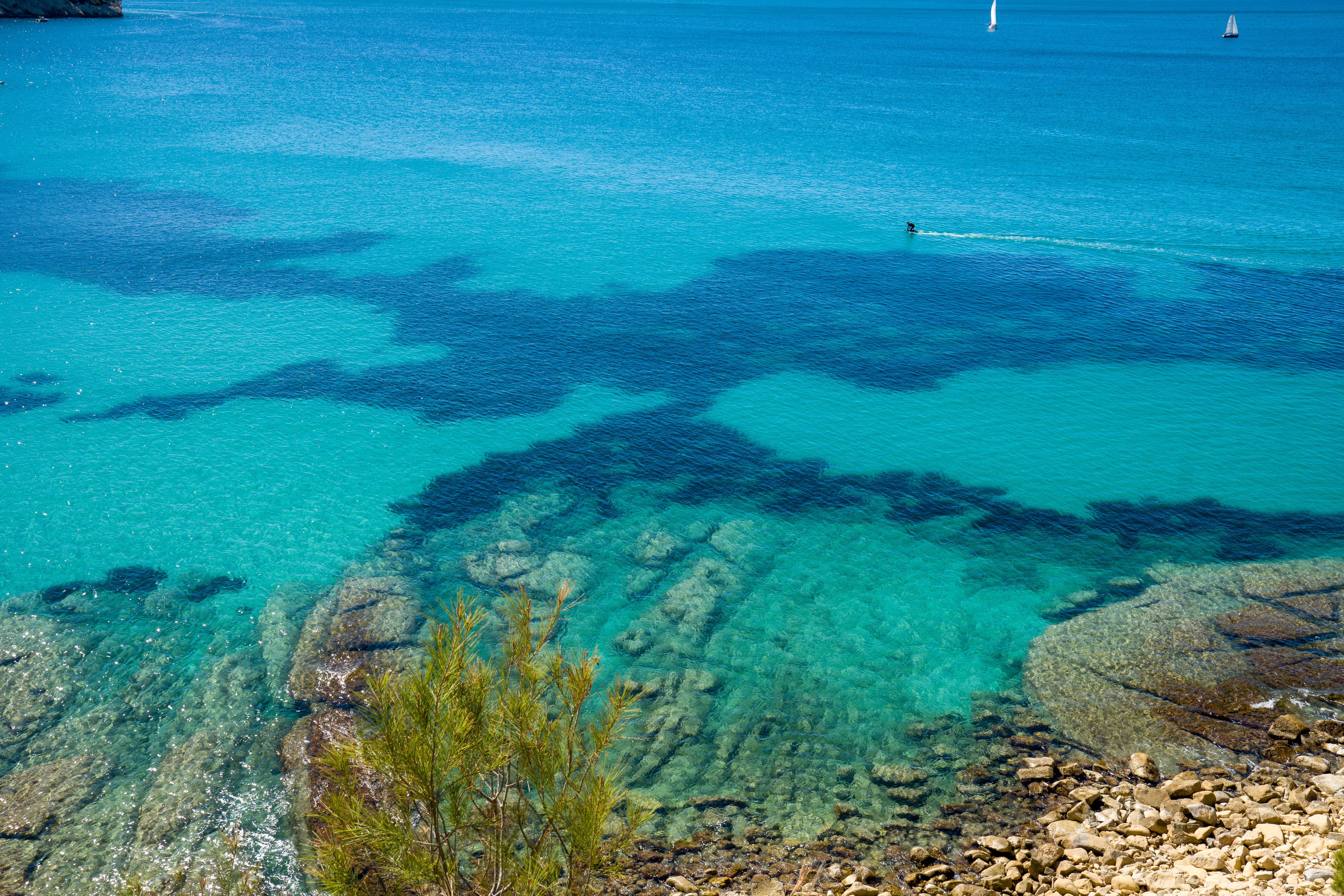
The efoil board is equipped with a battery-powered motor and a hydrofoil, which lifts the board above the water as it gains speed. This allows for a smooth, flying sensation over the waves, regardless of wave conditions. Efoiling can be enjoyed in various water conditions, expanding the possibilities for water sports enthusiasts.
Comparing the Experiences
When comparing efoiling and traditional surfing, several factors come into play:
- Accessibility: Efoiling can be easier for beginners, as it doesn’t rely heavily on wave conditions.
- Physical Demands: Traditional surfing requires more physical effort, offering a full-body workout.
- Environmental Impact: Surfing is more eco-friendly, whereas efoiling involves battery use and maintenance.
Cost Considerations
The cost of entry for efoiling is typically higher due to the technology involved. Efoil boards can be expensive, and maintenance costs add up, whereas traditional surfboards are more affordable and widely available.

Which is Right for You?
Your choice between efoiling and traditional surfing depends on personal preference, budget, and lifestyle. If you enjoy tech and are looking for a new experience, efoiling might be the way to go. However, if you prefer the classic, raw connection with nature, traditional surfing could be your best bet.
Try Before You Decide
Consider trying both sports before making a decision. Many coastal locations offer rental services and lessons for both efoiling and traditional surfing, allowing you to experience each firsthand without a significant upfront investment.
Conclusion
Ultimately, whether you choose efoiling or traditional surfing, both offer unique thrills and opportunities to enjoy the ocean. Embrace the adventure, and you’ll find the perfect water sport that resonates with your passion for the sea.