Efoiling vs. Traditional Surfing: What's the Difference?


Introduction to Efoiling and Traditional Surfing
Surfing has long been a beloved water sport, attracting thrill-seekers and nature enthusiasts worldwide. As technology evolves, new forms of surfing have emerged, most notably efoiling. While both efoiling and traditional surfing offer exhilarating experiences, they differ in various ways. This post explores these differences, helping you decide which might be the right fit for you.

The Basics of Traditional Surfing
Traditional surfing involves riding waves using a surfboard. Surfers paddle out to catch a wave, then stand up and ride it towards the shore. This sport requires a good understanding of wave patterns, balance, and physical endurance. Many surfers are drawn to the connection with nature and the ocean's raw power.
Equipment for traditional surfing is relatively straightforward. You'll need a surfboard, wetsuit, and occasionally, wax for grip. The choice of board varies depending on the surfer's skill level and the type of waves they wish to ride.
What is Efoiling?
Efoiling, or electric hydrofoil surfing, is a modern twist on the classic sport. It involves riding an electrically powered board with a hydrofoil attached underneath. The hydrofoil lifts the board above the water, reducing drag and allowing for a smoother ride. This sensation of "flying" over water is unique to efoiling.
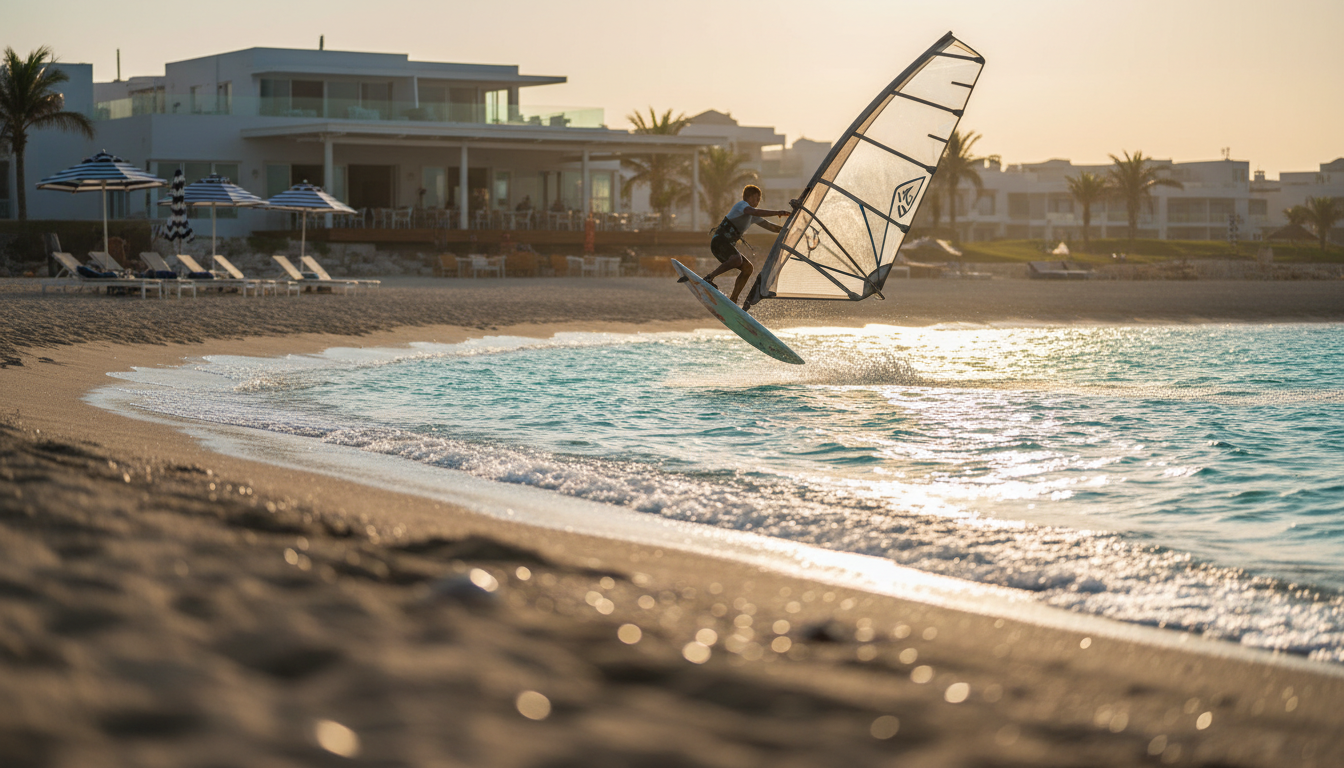
The equipment for efoiling is more complex. An efoil board is equipped with a battery, motor, and handheld remote to control speed. This technology enables riders to glide over water without needing waves, making it accessible in various water conditions.
Differences in Skills and Techniques
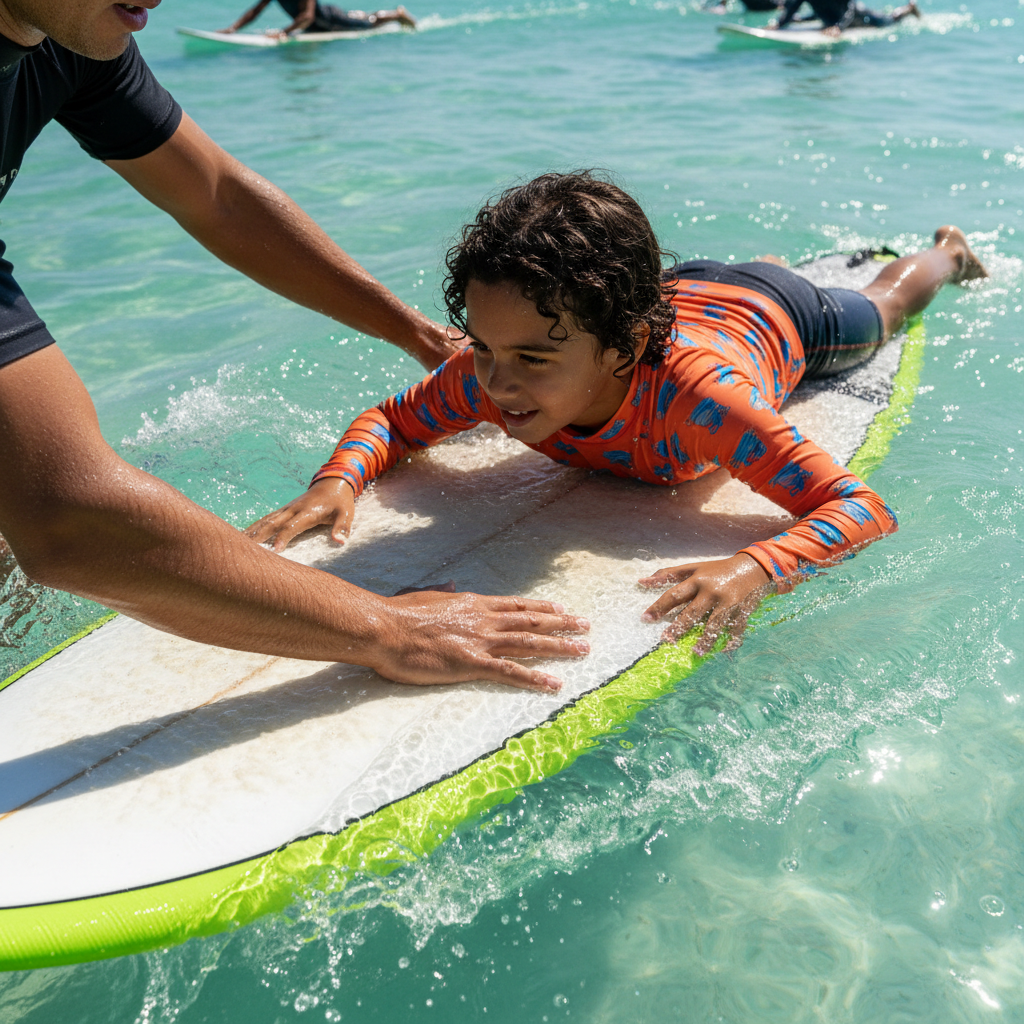
Traditional surfing relies heavily on wave knowledge and physical prowess. Surfers must master paddling, timing, and popping up on the board. The learning curve can be steep, but many find the challenge rewarding.
Efoiling, on the other hand, focuses more on balance and coordination. While it requires less physical effort than traditional surfing, getting used to the sensation of hovering above water can take practice. The use of a remote to control speed adds another layer of complexity.
Environmental Impact
Traditional surfing is environmentally friendly, relying solely on natural wave energy. The materials used in surfboards can have an environmental impact, but many companies are now producing eco-friendly boards.
Efoiling, however, involves using batteries and electronic components, which can have a greater environmental footprint. Nonetheless, efforts are being made to create more sustainable efoil models with recyclable materials and longer-lasting batteries.
Accessibility and Locations
Traditional surfing is best suited for coastal areas with consistent wave breaks. This limits accessibility for those living inland or in areas with unsuitable conditions.
Efoiling offers more flexibility as it doesn't require waves. You can enjoy efoiling on lakes, rivers, and calm ocean waters, making it accessible to a broader audience.
Conclusion: Choosing Your Adventure
Both efoiling and traditional surfing offer unique experiences, each with its own charm and challenges. Traditional surfing connects you deeply with nature, while efoiling provides a futuristic and versatile way to enjoy the water. Whether you choose the classic or modern route, both promise excitement and adventure.