Efoil vs. Traditional Surfing: Which is Right for You?


For those drawn to the ocean, the choice between efoiling and traditional surfing can be intriguing. Both offer thrilling experiences but differ significantly in technique, equipment, and overall experience. Understanding these differences can help you decide which is the right fit for your adventure.
What is Efoiling?
Efoiling is a relatively new watersport that combines a surfboard with an electric motor and hydrofoil. This allows riders to glide above the water's surface, giving the sensation of flying. The electric motor powers the foil, reducing the need for waves and opening up more opportunities for riding.
The learning curve can be less steep compared to traditional surfing, as it doesn’t rely on wave conditions or paddling strength. This makes it accessible to a wider range of enthusiasts, including those who may not live near surf-friendly beaches.
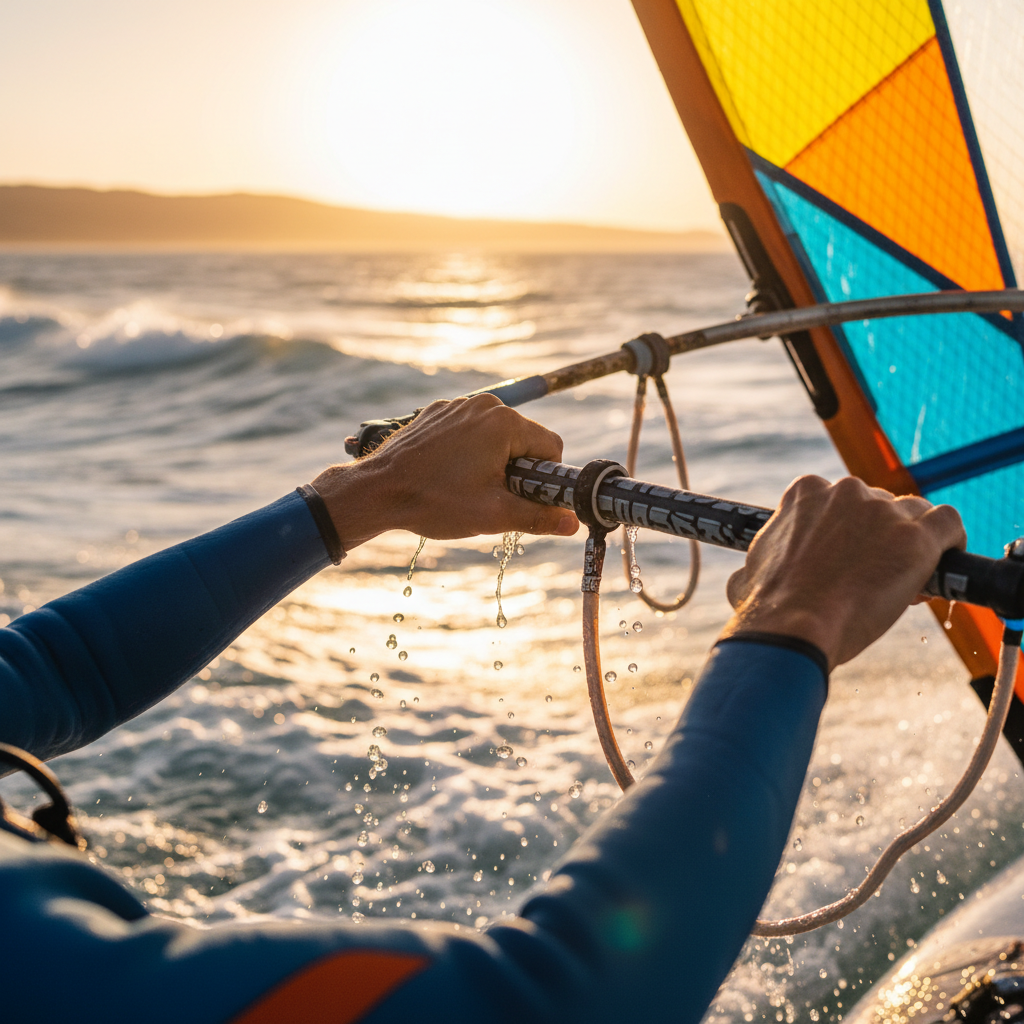
Traditional Surfing
Traditional surfing has been a beloved sport for centuries, connecting individuals with the raw power of the ocean. It requires balance, strength, and a keen understanding of wave dynamics. Surfers must paddle to catch waves and ride them to shore, a skill that can take time to master.
For many, the challenge and thrill of conquering a wave is what makes surfing so appealing. It’s not just about riding waves; it’s about reading the ocean and becoming one with nature.

Equipment and Cost
Efoiling requires a specialized board with an electric motor and hydrofoil, which can be quite an investment. However, it may appeal to tech enthusiasts who enjoy the innovation and unique mechanics of the sport.
In contrast, traditional surfing generally requires a standard surfboard, which is usually more affordable. The cost can vary based on the type and quality of the board, but it tends to be less than an efoil setup.
Environmental Impact
Traditional surfing has a minimal environmental footprint, mainly involving the surfboard itself. Efoiling, while innovative, uses an electric motor, which raises questions about battery disposal and energy consumption.
Both sports, however, encourage a deep appreciation for the ocean, often inspiring participants to advocate for marine conservation efforts.

Which is Right for You?
Choosing between efoiling and traditional surfing depends on your interests and what you seek from the experience. If you are drawn to cutting-edge technology and the sensation of flying over water, efoiling may be the perfect choice.
Alternatively, if you relish the challenge of harnessing natural waves and connecting with the ocean's rhythm, traditional surfing might be more fulfilling. Consider what aspects of water sports excite you the most to make an informed decision.
Ultimately, both efoiling and traditional surfing offer unique experiences that can enrich your connection to the ocean. Whether you choose to glide above the water or ride its waves, the ocean awaits your next adventure.